
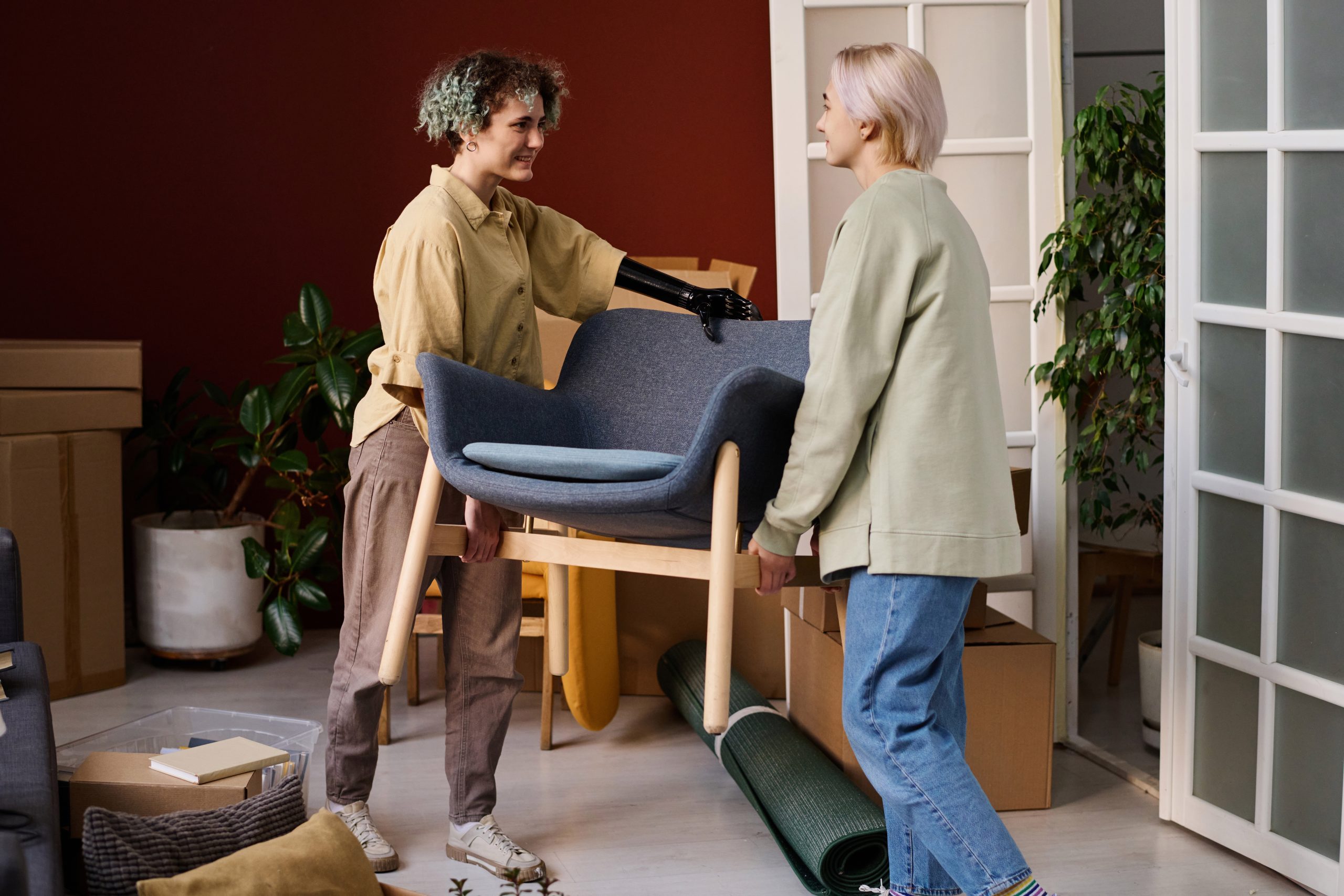
Moving furniture through tight spaces is where most damage happens. Tight corners, narrow hallways, and small staircases can quickly turn a simple move into a stressful situation. At VC Movers, we deal with these challenges every day, and we understand how to keep furniture protected while moving efficiently.
Firstly, the key is planning before lifting anything. Tight spaces require careful thinking about angles, pathways, and obstacles. In addition, rushing through small areas often leads to scratches, dents, or even injuries, so slowing down actually saves time in the long run.
Understanding the Space Before Moving
Before moving any item, it is important to study the layout. Measure doorways, hallways, and staircases to understand what will fit and how it needs to move. For example, large sofas or bed frames may need to be tilted or rotated to pass through narrow openings.
However, simply measuring is not enough. You should also check for obstacles like railings, light fixtures, or sharp corners that can damage furniture surfaces. In other words, visualizing the entire path helps avoid unexpected issues during the move.
When handling moves in apartments, working with an apartment moving company Calgary becomes especially helpful because tight layouts are very common in these buildings.
Protecting Furniture with Proper Materials
Once the path is clear, the next step is protection. Furniture should always be wrapped before entering tight spaces. Therefore, using moving blankets, stretch wrap, and corner protectors is essential to prevent scratches and dents.
For instance, wooden furniture can easily chip when it hits walls or door frames. Similarly, upholstered items can tear if rubbed against rough surfaces. Wrapping items properly creates a protective barrier that absorbs impact.
In addition, securing drawers, doors, and loose parts prevents shifting during movement. This reduces the risk of damage while navigating tight corners or stairs.
Using the Right Moving Techniques
Technique matters more than strength when moving in tight areas. Firstly, lifting correctly and maintaining control over the item helps avoid sudden drops or collisions. Moreover, communication between movers ensures smooth coordination when turning or adjusting angles.
One of the most effective methods is the pivot technique. That is to say, instead of forcing furniture straight through, you rotate it slowly to match the shape of the space. This is especially useful in staircases and narrow hallways.
For local relocations, hiring experts in local moves Calgary ensures that furniture is handled with precision and care, even in challenging spaces.
Disassembling Large Furniture When Needed
Sometimes furniture simply will not fit as it is. In such cases, disassembly becomes the best option. Beds, tables, and large shelving units can often be taken apart to make transport easier.
However, disassembly should be done carefully to avoid losing parts or damaging connections. In addition, labeling components and keeping hardware organized makes reassembly faster and smoother.
For example, removing legs from a couch or taking apart a bed frame can reduce size significantly. As a result, moving through tight spaces becomes much more manageable.
Special Care for Seniors and Delicate Moves
Moves involving seniors often require extra attention, especially when dealing with fragile or sentimental furniture. These items may not only have financial value but also emotional importance.
Therefore, using careful handling techniques and extra padding becomes even more important. In the same vein, patience and clear communication help ensure everything is moved safely without stress.
Working with professionals offering senior moving services in Calgary ensures that delicate items are treated with the care they deserve.
Navigating Commercial and Residential Challenges
Tight spaces are not limited to homes. Offices, retail units, and storage areas can also present unique challenges. For instance, commercial spaces often include narrow corridors, elevators, or shared access points.
In contrast, residential homes may have tight staircases or small entryways. Each situation requires a slightly different approach, but the goal remains the same: move furniture safely without damage.
Using experienced teams for commercial moving helps manage larger items in confined business spaces. Likewise, careful planning is essential for residential moving services where space limitations are common.
Preventing Wall and Property Damage
Furniture is not the only thing at risk. Walls, floors, and door frames can also be damaged during a move. Therefore, protecting the property is just as important as protecting the items.
Using floor runners and wall guards can help prevent scratches and marks. In addition, moving slowly and maintaining control reduces the chance of hitting surfaces.
For example, tight turns in hallways are a common spot for wall damage. However, with proper technique and awareness, these risks can be minimized.
Staying Organized During the Move
Organization plays a major role in keeping everything safe. Firstly, clearing the path before moving reduces obstacles and distractions. Secondly, assigning roles to each person involved helps maintain order.
In addition, having a clear plan for where each item will go prevents unnecessary movement. This is especially important in tight spaces where repeated handling increases the risk of damage.
Above all, staying calm and focused makes the process smoother and safer for everyone involved.
FAQs
How do you move large furniture through narrow hallways?
Large furniture is moved by measuring the space, wrapping the item, and using pivoting techniques. In addition, sometimes disassembly is required to make the item fit safely through tight areas.
What materials protect furniture during a move?
Moving blankets, stretch wrap, and corner protectors are commonly used. These materials create a barrier that prevents scratches, dents, and surface damage during transport.
Is it better to disassemble furniture before moving?
Yes, especially for large items that may not fit through doorways or staircases. Disassembly reduces size and makes handling easier, which lowers the risk of damage.
How can I prevent wall damage when moving furniture?
Using wall guards, moving slowly, and planning the path helps protect walls. In addition, proper lifting techniques reduce accidental contact with surfaces.
Why should I hire professionals for tight space moves?
Professionals have experience, tools, and techniques to handle difficult spaces safely. As a result, they reduce the risk of damage to both furniture and property.