
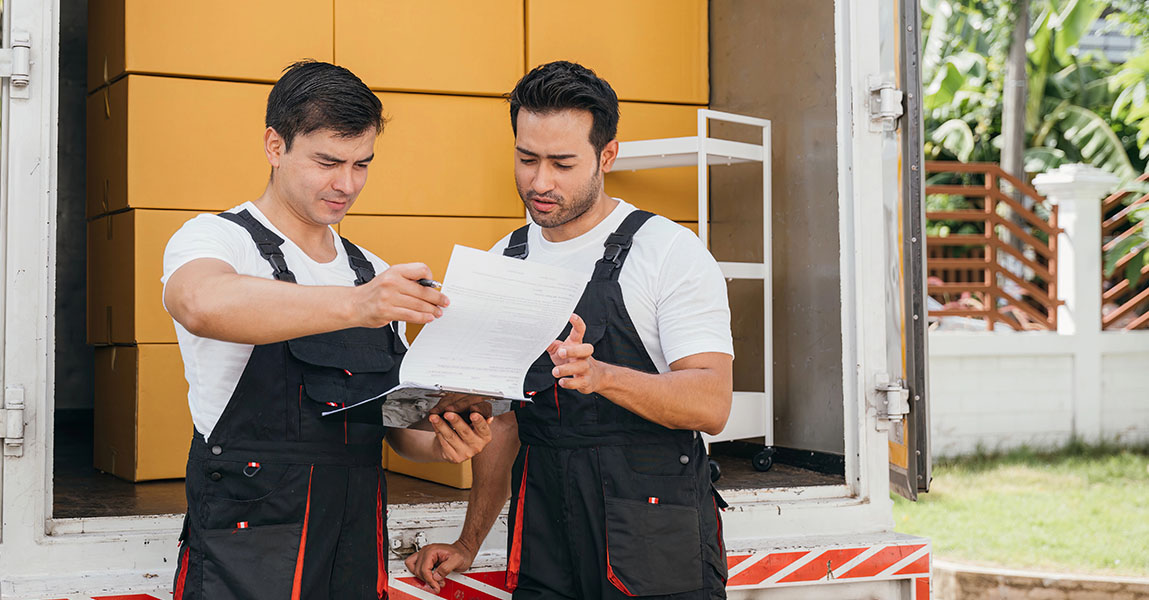
Moving days often come with so much going on that even the most prepared checklist can miss a few things. When the boxes are sealed and the truck is loaded, it’s not unusual to realize something important got left behind. These forgotten items may not be large, but they can cause real stress later. We’ve seen how quickly time runs out, and how easily small, essential things get left behind in drawers, under sinks, or on open shelves. Understanding what people usually forget helps us all stay one step ahead.
Important Documents and Paperwork
Essential papers often stay tucked away in drawers or cabinets because we don’t use them daily. That is to say, we only reach for these items during emergencies or specific tasks, which makes them easy to forget.
Start by gathering passports, birth certificates, insurance policies, and house deeds early. These need to stay close, not go into the truck with regular boxes. Keeping them in a clearly marked folder works well, especially if you travel during the move. For instance, some people store documents in fireproof lockboxes, but forget to double-check their contents.
Another thing we’ve noticed is how often school records, vet papers, or lease agreements stay behind in filing cabinets. To prevent this, open every drawer, scan each shelf, and label these folders for hand-carrying.
Make sure your residential move checklist includes these types of files. Our residential moving services in Calgary cover more than furniture and boxes. They also include advice on packing strategy and personal essentials.
Chargers, Cords, and Small Electronics
Tiny but vital, chargers and cables often remain plugged into walls until the last minute. However, once the room empties, they become invisible. Phone chargers, laptop cords, external hard drives, and headphones usually fall through the cracks.
A smart approach is to create a tech essentials bag. We recommend keeping it close like a carry-on. Include charging cords, adapters, power banks, and backup devices. If you have smart home gear, don’t forget any hubs or remotes. Many people remember the TV but forget the remote.
Label each cord and wrap it properly. To clarify, tossing them in a bag leads to tangles and missing pieces. Keep one power bar handy as well. If you arrive and find only one outlet, you’ll thank yourself later.
Prescription Medications and Toiletries
Bathroom drawers are another spot where items get left behind. Most importantly, prescription medication should be kept out of moving boxes. Some people assume they’ll remember them last minute, but in the rush, they get forgotten.
Make a list of daily medications and refill schedules before packing. Then, store them in a pouch you’ll keep with you. In addition, don’t forget inhalers, eye drops, or allergy pills. For some, even a day without these can cause issues.
Toiletries follow a similar pattern. We’re used to grabbing them in our routine, so they often stay out until moving day. Toothbrushes, deodorant, and contact lenses need to be part of a small “first night” bag.
If you’re working with a moving company in Calgary, they’ll give you the time and support needed, but having that essentials bag ready removes extra pressure during unpacking.
Kitchen Drawers and Fridge Items
One common packing mistake is assuming everything in the kitchen is packed after the big appliances. Unfortunately, the small stuff gets left until it’s too late. This includes utensils, junk drawers, and food items from the fridge.
Fridge contents often go untouched until the last few hours. That leads to forgotten condiments, frozen items, and leftovers that go to waste. To avoid this, plan a clean-out two days before your move. Pack anything you want to take in a cooler bag and make sure you label it clearly.
Also check your drawers. Scissors, bottle openers, birthday candles, and batteries hide there. These don’t take up space but are hard to replace quickly in a new home. Pack a separate box labeled “kitchen odds and ends” and keep it somewhere visible.
One trick we suggest is taping a list on the fridge: “Take before leaving.” Even one reminder helps prevent waste and frustration.
Hidden Valuables and Spare Keys
Valuables are not always big or obvious. Small things like jewelry, emergency cash, or spare keys get hidden for safety, but then stay hidden during the move. People often forget where they stored them in the first place.
Start by making a list of hiding spots around your home. For example, keys might be taped behind a shelf or inside a container. Jewelry often stays in drawers that don’t get opened during quick packing. Gift cards, coins, or keepsakes can easily stay behind if they’re not gathered early.
Also, check places like closet tops, under-bed boxes, or high cupboards. These are spots where people store items “for later” and forget completely. As a rule of thumb, pack valuables in a locked box and take them with you instead of sending them with movers.
Houseplants and Garden Tools
Living items like plants need special handling and can’t be left to the last moment. Sadly, we’ve seen many get forgotten or damaged because they weren’t part of the packing plan. Smaller plants sitting on windowsills or bathroom corners are the most common ones missed.
Prepare your houseplants two or three days ahead. Trim dead leaves, water them properly, and place them in containers that won’t tip over. Use boxes with ventilation and keep them with you in the vehicle if possible.
Similarly, garden tools like hoses, shears, or rakes are often left behind in sheds. These tools may not seem urgent, but they cost money to replace. Collect everything from outdoor spaces and secure them in one place the day before your move.
You can review planning tips on the main page of our moving services for more ideas to stay ahead of time.
Cleaning Supplies and Trash Bins
When we clean the place before leaving, we often leave behind the very tools we used. Cleaning sprays, sponges, and garbage bags end up staying because they’re used last. The same goes for brooms, mops, or step stools.
Make a small cleaning kit and label it clearly. After your final sweep, pack it directly into your vehicle. Don’t forget your trash bins either. People commonly forget these behind fences, beside toilets, or in laundry rooms.
Empty bins a day before and place them near your front door. That way, they won’t get skipped. A last check of utility spaces helps too. Many of these items are light and awkward to pack, so placing them in large garbage bags works well.
Children’s Items and Comfort Objects
In the rush of packing up toys, bedding, and books, it’s easy to forget small things that bring kids comfort. Favorite blankets, stuffed animals, nightlights, or storybooks often get left in beds or behind couches.
To avoid that stress, let kids help pack their own “first night” bag. Include the items they use for sleep or calming down. This way, the transition feels less overwhelming. Furthermore, don’t forget things like baby monitors, pacifiers, or any white noise machines.
Keep their essentials within reach during the drive or arrival. We’ve seen how much easier the first night becomes when familiar items are ready. If needed, ask someone from the team to remind you to check those hidden corners before locking the door.
Items on the Walls and Inside Closets
Decorations on walls often become part of the scenery, so people forget to take them down. Picture frames, wall clocks, or shelves are common examples. It’s only after unpacking that you realize what’s missing.
Start early and go room by room. Take down everything and wrap fragile items with towels or clothing. Use labels like “fragile wall decor” so you remember what’s inside. Likewise, closets hide more than just clothes. Suitcases, seasonal shoes, or extra bedding can remain unnoticed in top corners.
Double-check every closet, including ones under stairs or in laundry rooms. A flashlight helps in dim spaces. Once empty, leave closet doors open so you know they’re done. That simple habit saves a lot of last-minute scrambling.
Final Walkthroughs and Last-Minute Checks
No matter how well we plan, that final walkthrough often reveals things we missed. Sometimes it’s a random item in the shower, sometimes it’s a curtain rod still hanging in place. This last check matters more than we think.
Assign one person to handle the walkthrough. Go room by room, including balconies, basements, and garages. Look behind doors, under furniture, and inside all cabinets. Use a flashlight if needed and take your time.
We often recommend doing this check before the movers arrive. It’s quieter and less chaotic. If you’ve worked with a local moving company in Calgary, call ahead and ask if you can build time into the schedule for this step.
Missing items lead to frustration and added costs. A calm walkthrough gives peace of mind and helps everyone start fresh in the new home.
FAQs
What’s the most common item people forget on moving day?
People often forget chargers and cables. These are small, used daily, and usually left plugged in.
Should I pack my documents with regular boxes?
No. Keep them with you in a personal folder or bag. That prevents loss or delays in access.
How do I avoid forgetting things in drawers?
Go through each room slowly. Open every drawer and cabinet, and label what’s packed.
Do plants need special moving prep?
Yes. They should be trimmed, secured in breathable containers, and ideally moved in your own vehicle.
Can movers remind me to do a final check?
You can request a reminder, but the walkthrough should be your responsibility to avoid missed items.